Build Lasting Energy With a Practical Wellness Stack

Today we dive into sustainable wellness through a stack of meal prep systems, mobility work, and sleep hygiene, weaving them into a friendly routine that respects busy calendars. Expect actionable checklists, relatable stories, and gentle science, so you can feel clearer, stronger, and better rested without rigid rules or all-or-nothing thinking. Share your wins, swaps, and questions in the comments to help others build momentum alongside you, and subscribe for weekly nudges that turn small steps into dependable progress.

Design a Weekly Rhythm

Sketch your week like a friendly map: batch cook on a predictable afternoon, schedule micro-mobility between recurring calls, and guard a reliable bedtime boundary. Add buffers around hectic days, and pair essentials with existing habits. For example, plan groceries right after Saturday coffee, or stretch while the kettle warms. Aim for repeatable slots, not perfect blocks, so life’s surprises bend the schedule without breaking it. Share your rhythm with a partner for accountability and help.

Automate Decisions You Do Not Love

Decision fatigue sinks even the best intentions. Pre-choose three rotating breakfasts, a handful of lunch templates, and two movement snacks for stressful days. Keep a short shopping list pinned to the fridge, and rely on simple defaults when motivation dips. Use calendar reminders and phone widgets to bypass hesitation. The more you automate, the less willpower you spend, freeing attention for moments that truly deserve it, like family dinners, creative projects, and restful evenings.

Meal Prep Systems That Survive Real Life

Real-world cooking needs resilience, not perfection. We lean on batch-cooked proteins, versatile grains, and a toolbox of flavor builders that turn leftovers into fresh experiences. By standardizing containers, labels, and a quick inventory ritual, you eliminate midweek guesswork. A reader, Maya, swapped takeout for ready-to-heat bowls and reported steadier energy within two weeks. Expect fewer emergency snacks, calmer evenings, and more predictable nutrition that supports movement recovery and restorative sleep throughout intense schedules and busy seasons.

Two-Hour Sunday Sprint

Set a timer and assemble a foundation: roast a tray of vegetables, cook a pot of grains, sear a protein, and blend a tangy sauce. Portion into stackable containers so weekday choices are grab-and-go. Choose low-mess techniques like sheet-pan roasting and pressure-cooked beans for efficiency. Finish with a quick fridge reset, placing ready meals at eye level. Photograph your lineup, celebrate the win, and invite friends to share their favorite combinations for inspiration and community support.

Pantry Primitives and Flavor Bombs

Create a shelf of primitives that make meals exciting without effort: olive oil, tahini, chili crisp, pickled onions, citrus, miso, and roasted nuts. Combine with herbs, vinegars, and frozen aromatics to remix leftovers instantly. A spoon of pesto or salsa transforms plain rice bowls into something craveable, maintaining enthusiasm all week. Keep an inventory note on your phone, and restock during routine errands. This tiny habit preserves variety, cuts boredom, and reduces delivery temptations decisively and reliably.

Containers, Labels, and Portion Confidence

Clarity beats guesswork. Use uniform containers that stack neatly, with color-coded lids for breakfasts, lunches, and dinners. Label with contents and a friendly use-by date to prevent waste. Portion consistently using a scoop or divided tray, supporting balanced plates without obsessing. Keep a visible leftovers zone so foods are used on time. This simple structure builds trust in your kitchen flow, shortens decisions, and keeps nutrition steady enough to power movement practice and dependable nightly recovery throughout weeks.

Mobility Work That Fits Between Emails

Soreness fades and posture brightens when movement becomes frequent, bite-sized, and kind. No gym heroics required: two minutes of joint circles, a doorway pec stretch, and gentle spinal rotations refresh focus. Pair moves with daily transitions to avoid forgetting. One subscriber, Leo, added three micro-sessions and noticed fewer afternoon headaches within ten days. Mobility nourishes tissues, calms the nervous system, and prepares the body for deeper sleep, especially when stacked thoughtfully alongside nourishing meals and hydration practices.

Micro-Sessions Every Ninety Minutes

Set a subtle chime and stand up for ninety seconds: ankle rocks, neck glides, wrist cars, and a slow forward fold with soft knees. Breathe through the moves rather than pushing. These interruptions reset concentration, encourage circulation, and teach your body that relief is always available. Keep a printed sequence by your monitor for frictionless reference. Track how your energy changes across the day, and adjust intervals based on workload, meetings, and personal recovery needs rhythmically and compassionately.

Evening Unwind for Hips and T-Spine

Before screens tempt you, sink into a floor routine: ninety–one–ninety hip stretch, thoracic open book, child’s pose with side reach, and a gentle couch stretch while breathing slowly. Dim lights to invite parasympathetic calm. Keep a small mat near the sofa so the ritual begins easily. Over a week, tension quietly recedes, making it easier to fall asleep. Note any positions that irritate joints, and swap them for alternatives, proving consistency matters more than aggressive intensity every single evening.

Sleep Hygiene You Can Feel by Thursday

Quality sleep stabilizes appetite, recovery, and mood. We focus on light timing, temperature, and gentle routines that signal rest, so mornings arrive clearer. You will test small levers, notice patterns, and make compassionate adjustments. Subscribers often report reduced weekend catch-up sleep after aligning their evenings. Start with basics, celebrate early wins, and watch how consistent bedtimes sharpen focus and movement tolerance. Better nights magnify the benefits of meal prep and mobility work by Thursday, often sooner universally.

Light, Temperature, and Noise Diplomacy

Expose your eyes to morning daylight, dim indoor bulbs at night, and keep the bedroom cool with breathable fabrics. Consider blackout curtains and a simple white-noise track to smooth city hums. Move chargers outside the room to reduce checking temptation. Test a warm shower or bath one hour before bed to leverage thermal drop for sleep onset. These environmental tweaks build a stable platform for recovery without requiring perfection, just steady adjustments practiced kindly over consistent, ordinary evenings.

Caffeine, Alcohol, and Late-Night Screens

Stop caffeine by early afternoon, reserve alcohol for rare occasions, and protect the last hour before bed from stimulating content. If screens are necessary, lower brightness and enable warmer hues. Replace doom-scrolling with a few pages of a calm novel, gentle stretches, or journaling. Track how these choices affect sleep latency and morning mood. You will likely notice clearer focus and fewer sugar cravings, reinforcing the entire wellness stack through better self-regulation and dependable, refreshing nightly rest consistently.

Wind-Down Ritual That Sticks

Choose a sequence you genuinely enjoy: tidy for five minutes, brew herbal tea, stretch briefly, and read something comforting. Start the routine at a consistent cue, like finishing the kitchen reset. Keep tools visible to lower friction. If travel or children shift timing, keep at least one element alive to preserve the signal. Over weeks, your body recognizes the pattern and coasts toward rest, proving kindness and predictability are more powerful than intensity for sustainable, repeatable recovery nightly.

Feedback Loops and Gentle Data

Sleep Logs and Morning Check-Ins

Each morning, jot three quick notes: time in bed, perceived restfulness, and previous evening behaviors. Add a single reflection about mood or dreams if helpful. After a week, patterns emerge that guide small, concrete changes. Maybe dimming lights earlier made wake-ups easier, or evening mobility cut restlessness. The goal is awareness, not perfection. Share a win in the comments to encourage someone else beginning this practice today and help build a friendly, accountable community around restful nights.

Movement Quality Over Minutes

Instead of chasing long workouts, rate joint comfort, ease of squats, and ability to sit and stand without stiffness. Track how micro-sessions influence focus or back tension. Quality metrics better predict habit persistence than volume alone. Add a brief note when you walk, stretch, or dance, describing body feel and mood. Celebrate days when two minutes rescued your posture. Over months, these gentle markers tell a hopeful story about resilience, adaptability, and confidence in your moving body daily.

Meal Notes Without Calorie Obsession
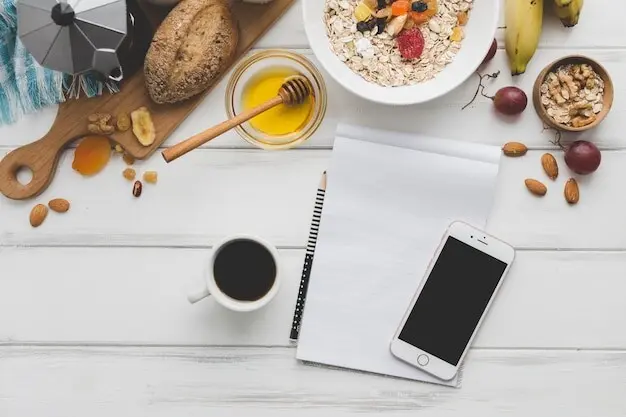
Record broad strokes: protein source, colorful plants, and satiety after eating. Mention any cravings or afternoon slumps. This lightweight method connects choices to outcomes without spiraling into numbers. Notice how batch-prepped lunches stabilize energy and reduce late-day snacking. Highlight new sauces or spice blends that kept meals exciting. Share your tastiest bowl blueprint with readers, inviting swaps that fit different cultures and budgets. Food logs can become creative journals instead of stressful scorecards, building long-term ease reliably.

When Life Happens: Travel, Stress, and Setbacks

Lentotelinovi
Privacy Overview

This website uses cookies so that we can provide you with the best user experience possible. Cookie information is stored in your browser and performs functions such as recognising you when you return to our website and helping our team to understand which sections of the website you find most interesting and useful.